AI for Brain Health


SkyMedAI is Transforming Brain Health in the Age of AI

"The brain is our most vital organβ€”yet we stand idle until it fails. We must use AI to rewrite that story. If AI can't decode the brain's silent signals years before symptoms strike, it wasn't worth inventing. Our Brain Health Elite Program brings together pioneers committed to transforming neurological health with AI.
The brain won't wait. Neither will we."

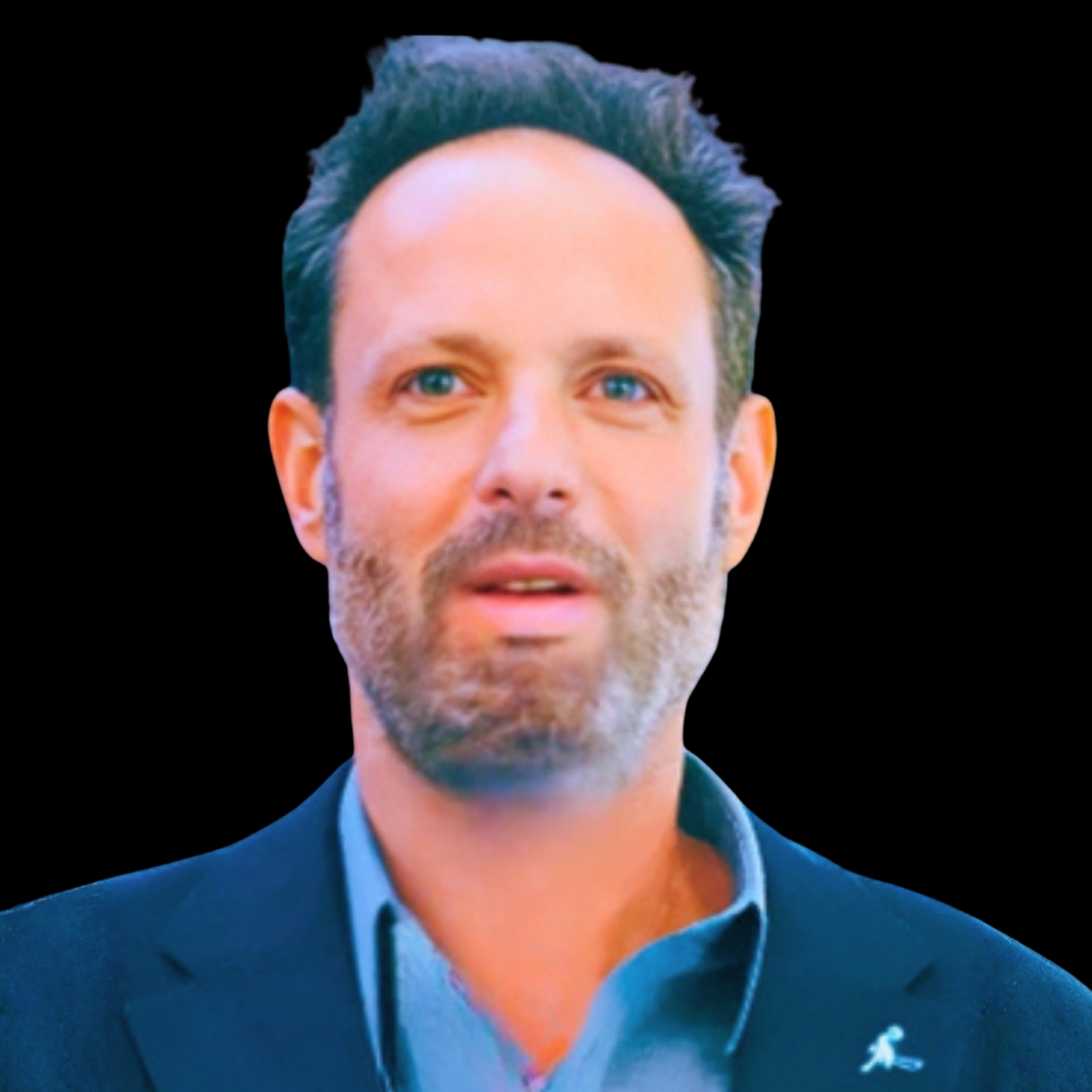
Dr. Amir Lahav
Clinical Neuroscientist & Lead Advisor, Brain Health Elite Track
Founder & CEO, SkyMedAI
Dr. Amir Lahav

Brain Health Elite Cohort

We advise an exclusive group of companies building
AI solutions for brain health across four pillars:


1. Brain Aging & Neurodegeneration

<br />1. Brain Aging & Neurodegeneration
  • AI predicts risk of Alzheimer’s, Parkinson’s, and ALS before symptoms emerge, enabling true prevention
  • Personalized therapies replace “one-size-fits-all” treatment, targeting individual disease subtypes
  • “Cognitive fitness” becomes a routinely monitored vital sign
<br />1. Brain Aging & Neurodegeneration

Pharma Trials: AI for rapid patient stratification, identifying early-stage candidates for neurodegeneration trials


Healthcare Systems:
EHR-embedded AI that flags at-risk patients for cognitive screening and early intervention


Precision
Neuroimaging:
AI quantifying amyloid, tau, and atrophy from brain scans for definitive early diagnosis


Expanding Care Access: Remote monitoring via sensors/smartphones enables AI-powered screening for cognitive and neuromotor decline

<br />1. Brain Aging & Neurodegeneration

πŸ›‘ Validating diagnostic AI models across diverse populations

πŸ›‘ Upholding the “right not to know” for incurable disease predictions

πŸ›‘ Building clinician trust in explainable AI for diagnosticΒ 


2. Acute & Chronic Neurological Diseases

<br />2. Acute & Chronic Neurological Diseases
  • AI enables early detection and personalized treatment for stroke, traumatic brain injury, brain tumors, epilepsy, and MS
  • Predictive models forecast seizures, relapses, and readmissions before they occur
  • Real-time AI guides neurosurgeons during tumor resection and supports oncologists in treatment planning
<br />2. Acute & Chronic Neurological Diseases

Neuro-Oncology: AI for surgical planning, brain tumor segmentation, and predicting therapeutic response


Stroke & TBI: AI-powered imaging for rapid triage, treatment selection, and outcome prediction


Epilepsy Management: AI detecting seizure patterns and optimizing medication protocols from wearable data

<br />2. Acute & Chronic Neurological Diseases

πŸ›‘ Ensuring AI diagnostic tools are validated for each tumor type

πŸ›‘ Maintaining human oversight in emergencies (stroke, trauma)

πŸ›‘ Preventing unauthorized use of brain imaging data by third parties


3. Neuro-Sensing & Diagnostics

<br />3. Neuro-Sensing & Diagnostics
  • Smartphones, wearables, and home sensors become passive “mission control” for brain health monitoring
  • Brain-Computer Interfaces (BCIs) transition from research labs to accessible wellness and assistive technology
  • Digital phenotyping (voice, typing, tremor) provides real-time, objective measures of neurological function
<br />3. Neuro-Sensing & Diagnostics

Wearable Tech: AI detecting subtle gait or tremor changes as early biomarkers for movement disorders


Brain-Computer Interfaces (BCIs): AI algorithms translating neural signals into digital commands and wellness insights


Robotic Rehabilitation: AI-powered exoskeletons and assistive robots for motor recovery


Digital Phenotyping: AI analyzing speech patterns, typing cadence, and micro-movements to detect neurological changes

<br />3. Neuro-Sensing & Diagnostics

πŸ›‘ Establishing privacy and boundaries for neurological surveillance

πŸ›‘ Protecting sensitive neural and behavioral data from misuse

πŸ›‘ Separating neurological signals from environmental noise


4. Neuro-Therapeutics & Recovery

<br />4. Neuro-Therapeutics & Recovery
  • Human-AI teams deliver breakthrough outcomes in neurological rehabilitation and recovery
  • AI optimizes closed-loop neuromodulation systems (Deep Brain Stimulation) in real-time to adapt to patient needs
  • Digital therapeutics provide continuous, personalized cognitive rehabilitation at home
<br />4. Neuro-Therapeutics & Recovery

Digital Therapeutics (DTx): AI for personalized cognitive rehab, adherence support, and symptom prediction


Neurotech & BCIs: AI-guided brain-computer interfaces restoring motor function, communication, and sensory input


Neuromodulation Systems: AI optimizing Deep Brain Stimulation and other closed-loop therapies in real-time


Healthcare Systems: AI optimizing recovery pathways, reducing readmissions, and tracking long-term functional outcomes

<br />4. Neuro-Therapeutics & Recovery

πŸ›‘ Mitigating AI bias to ensure safe interventions across populations

πŸ›‘ Enhancing engagement through gamified rehabilitation

πŸ›‘ Navigating regulatory pathways for AI-driven therapeutic devices

Transforming Brain Health with AI?
Join our Brain Health Elite Track

<center> ARIAβ„’: Smart AI Invesments<center>

ARIAβ„’: Smart AI Invesments

<center>What Our Clients Say<center>

What Our Clients Say

<center>Children need adaptive AI<center>

Children need adaptive AI

<center>Join Our Elite Cohort Program <center>

Join Our Elite Cohort Program

 <center>Visit our Intelligence Center <center>

Visit our Intelligence Center

<center>Closing Women's Health Gaps<center>

Closing Women's Health Gaps

The form is submitted successfully!